
14-Ton Roller Buying Guide: Review of Multiple Practical Models for Various Engineering Conditions
The 14-ton roller is a widely used machine in road construction, foundation treatment and other engineering projects. With a tonnage between heavy-duty and small-sized rollers, it features moderate working weight and body size. It not only operates efficiently in large-scale engineering projects, but also plays a valuable role in small and medium-sized projects as well as narrow construction sites, boasting strong applicability.
Many engineering practitioners are often confronted with the problem of complicated information and time-consuming screening when purchasing rollers, making it difficult to quickly find products that meet their own needs. This article sorts out three models of Lutong 14-ton rollers that have been verified by practical market applications, and analyzes them in detail from the perspectives of model characteristics, configuration and performance, helping you clearly understand product differences and complete model selection efficiently.
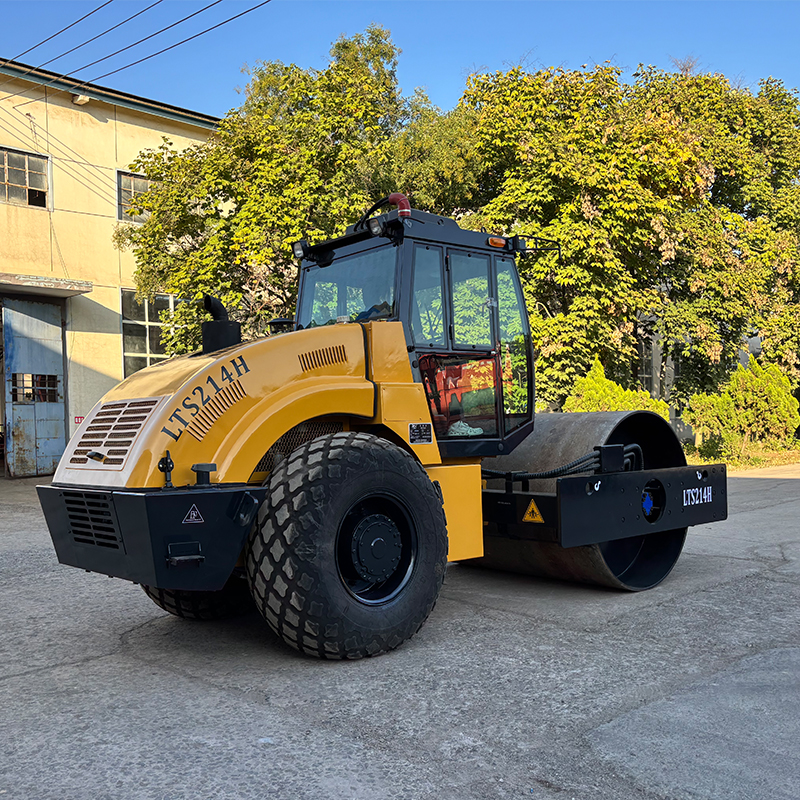
Lutong LTS214H High-Altitude Full-Hydraulic Single-Drum Roller
The LTS214H is a high-altitude adaptable full-hydraulic vibratory roller, equipped with a Cummins China-III diesel engine with abundant power reserve, which can meet the construction requirements of high-altitude areas over 4,000 meters above sea level.
This model adopts hydraulic single drive, hydraulic vibration and hydraulic articulated steering. The core hydraulic components are selected from internationally renowned brands, delivering excellent performance in equipment operation stability and durability. In terms of safety configuration, in addition to the conventional braking system, it is also equipped with a fuel cut-off brake device, which enables emergency braking in response to emergencies, further improving operational safety.
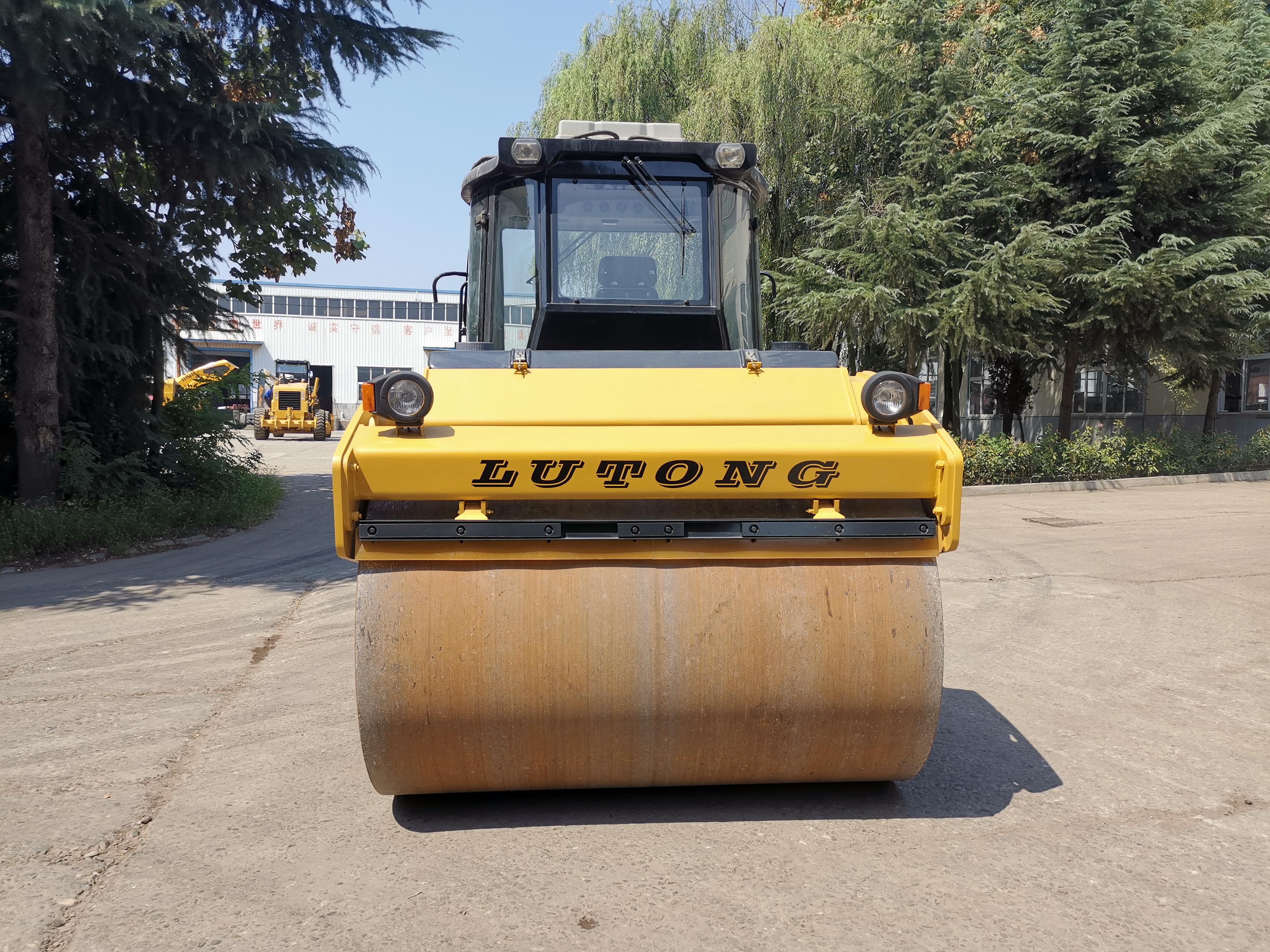
Lutong LTC214 Full-Hydraulic Tandem-Drum Roller
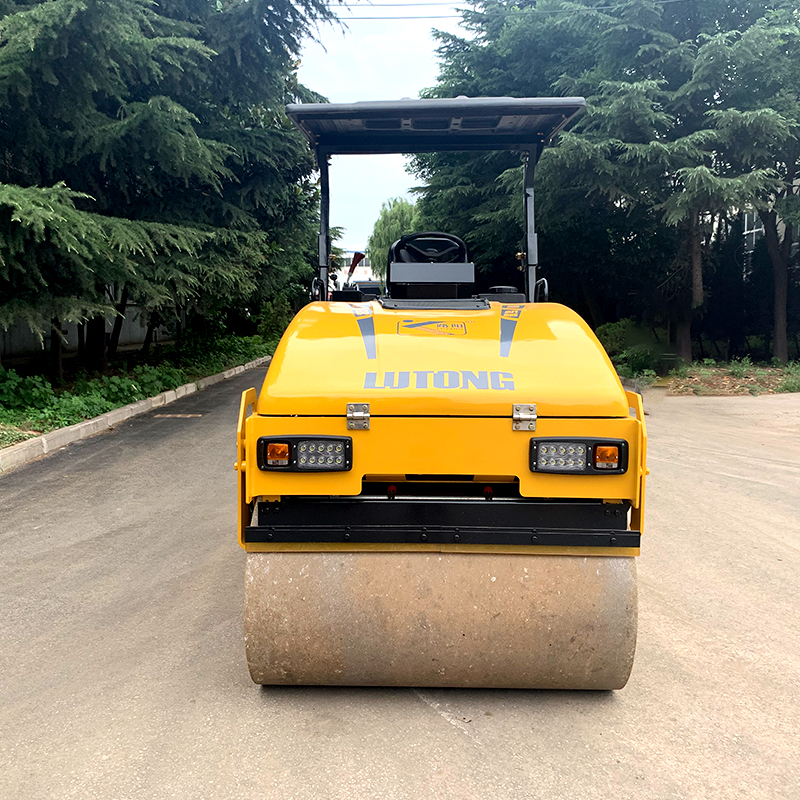
The LTC214 is a full-hydraulic tandem-drum vibratory roller with a configuration that caters to various road compaction requirements. It is equipped with full-hydraulic dual-wheel drive, dual-wheel vibration, and dual-frequency dual-amplitude vibration functions. It adopts full-hydraulic articulated steering, and a crab steering mechanism can be optionally equipped according to construction needs. The frame is of fork-foot type, and the hydraulic system is composed of internationally advanced hydraulic components, ensuring smooth system operation.
In terms of riding and maintenance experience, it is equipped with a spacious air-conditioned cab, and the rotating working seat makes operation more flexible. The cab can be tilted sideways as a whole, providing convenience for daily equipment inspection and maintenance.
Lutong LT214B Mechanical-Hydraulic Combined Single-Drum Roller
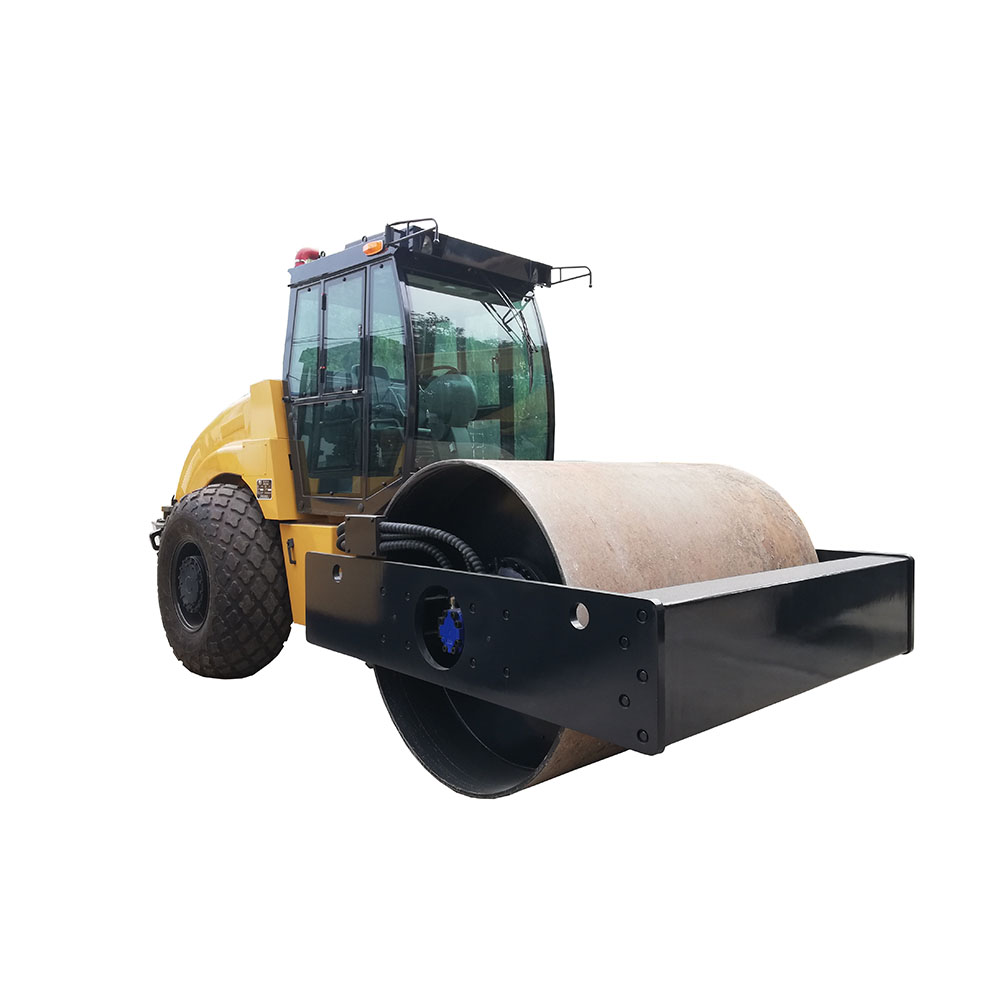
The LT214B is a single-drum dual-amplitude vibratory roller that combines practicality and cost-effectiveness, and is widely used in overseas markets. It adopts a design of mechanical travel, hydraulic vibration, dual amplitude and hydraulic steering, with stable operating performance and high ease of use.
Powered by a Cummins series diesel engine, the equipment has a long service life and favorable energy consumption performance, making both compaction operations and later maintenance convenient. Its hydraulic vibration system adopts mature and advanced technology, featuring reliable operation, simple maintenance process and controllable maintenance costs.
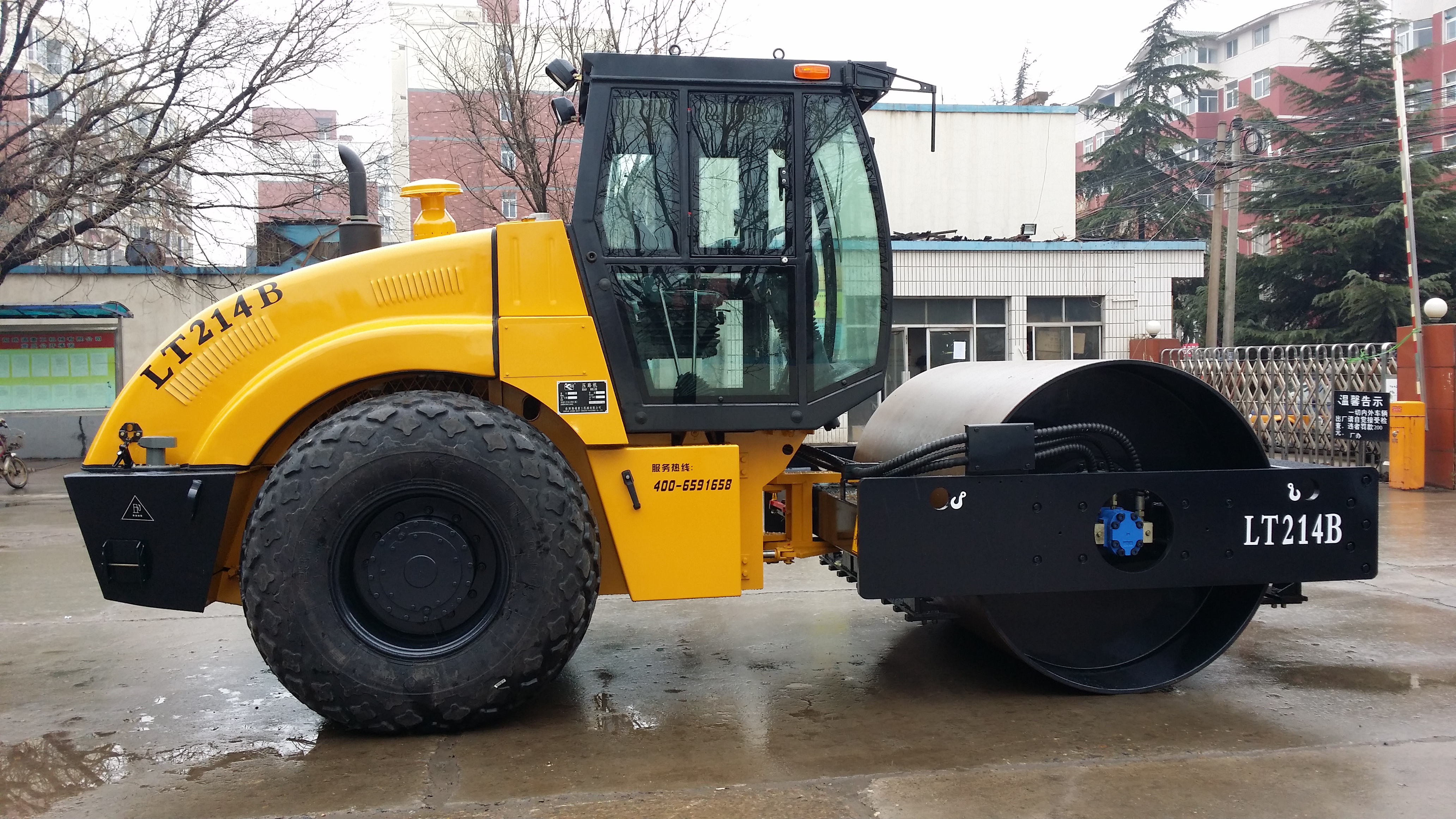
At the same time, this model takes both comfort and safety into account. The cab is spacious, and vibration reduction is achieved through high-quality rubber components to reduce the impact of operational vibration. It is equipped with two sets of braking devices, hand brake and foot brake, providing a guarantee for the safe operation of the equipment.
Purchase Recommendations
The 14-ton roller product line is diverse, and different types of products, including single-drum, tandem-drum, mechanically driven and hydraulically driven rollers, can meet diversified construction needs. It is recommended that you select the appropriate roller based on the working conditions and operation requirements of your own project, as well as referring to practical usage feedback, to reduce the time cost in the purchase process and enable the equipment to better serve engineering construction.
Product Inquiry
Related PRODUCTS
-
The Core Reasons Why the Machinery Industry Prefers the LTS208H-II Road Roller
-
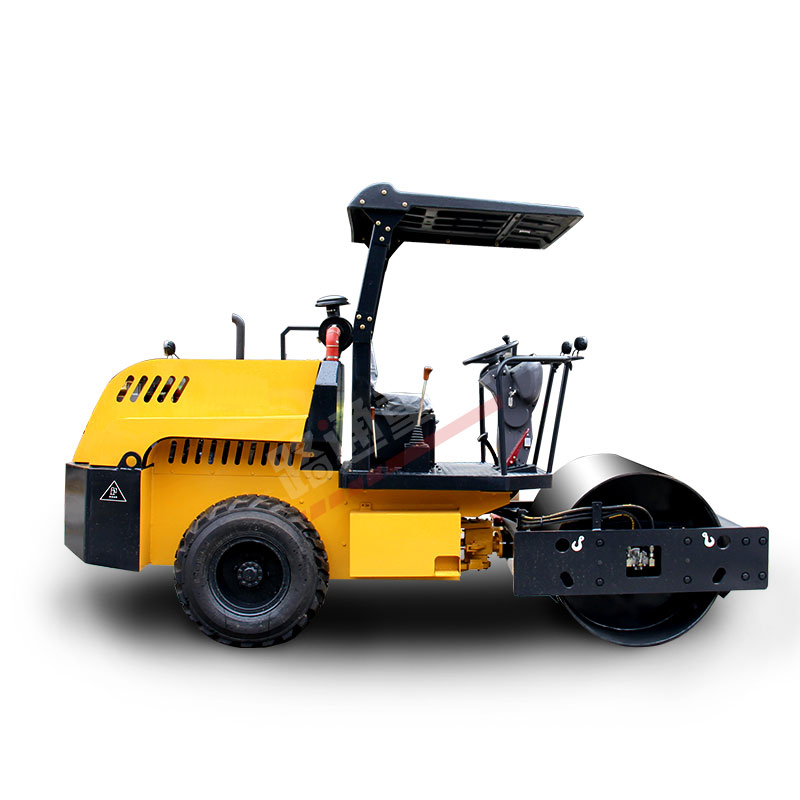
LT304 High-Efficiency and Stable Road Roller Helps Improve Road Construction Qua
-
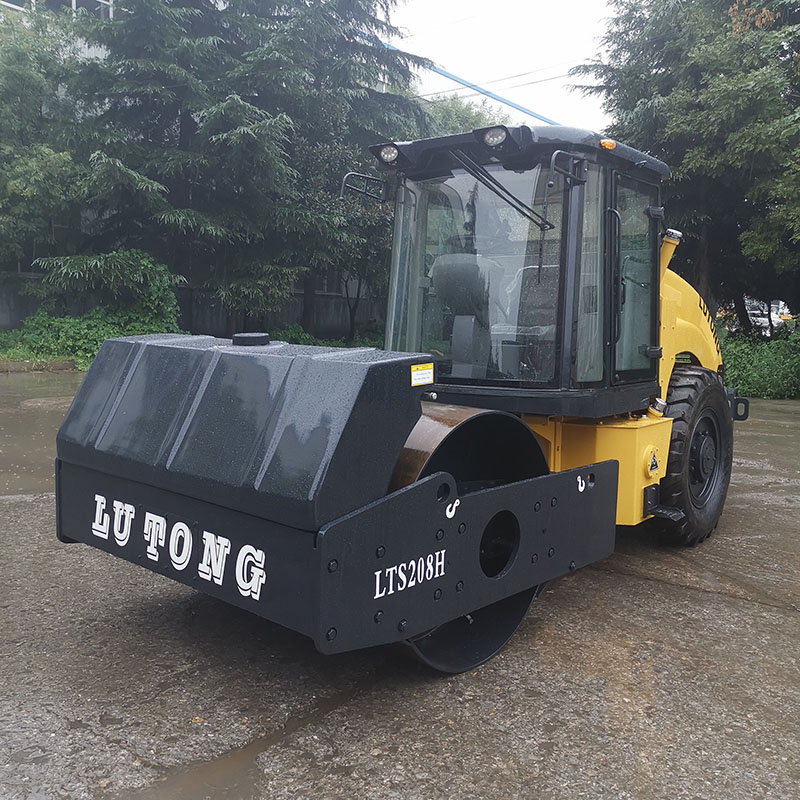
Lutong LTS208H Road Roller: Reliable Performance for Efficient Engineering Compa
-
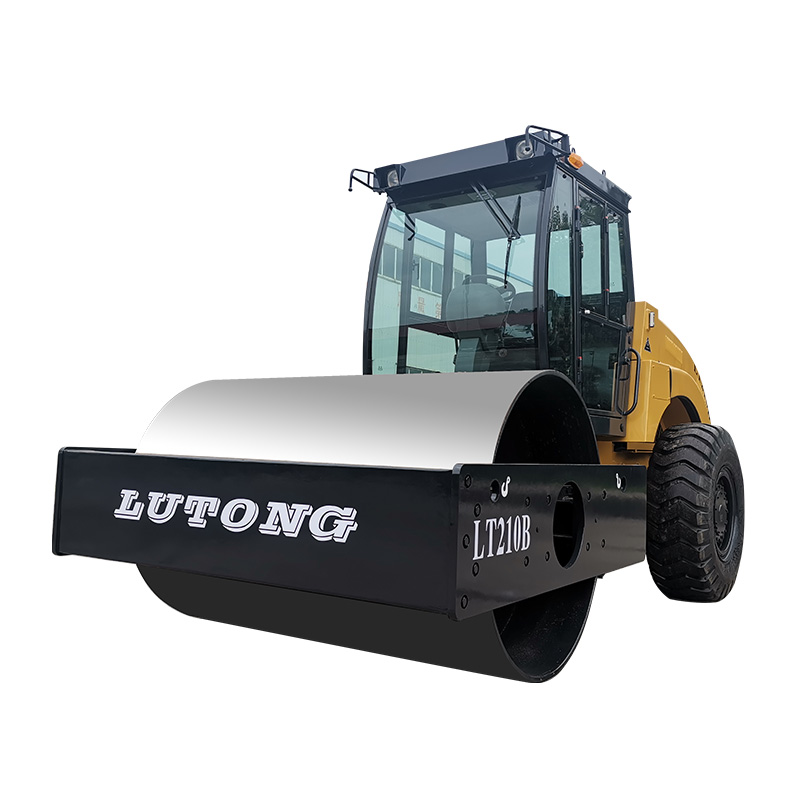
LT210B Road Roller: A Practical Assistant for Road Construction and Maintenance
-
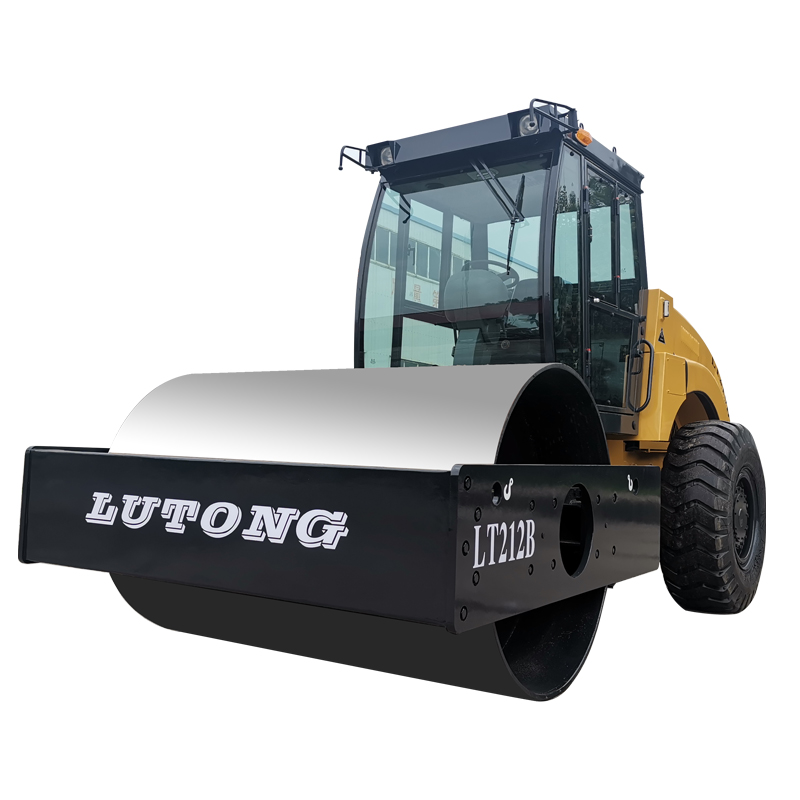
LT212B Road Roller | Detailed Introduction to Heavy-Duty Vibratory Compaction Eq
-
LT214B Mechanical Drive Single Drum Vibratory Roller Product Introduction
-
LTC302 Tandem Drum Vibratory Roller: A Compaction Equipment Adaptable to Diverse
-
LuTang LTC301 Tandem Roller – A Reliable Choice for Road Compaction
-
LTC203P Tire Combined Full Hydraulic Vibratory Roller
-
Compact Size, Great Potential | Outstanding Performance of LTC3H Roller